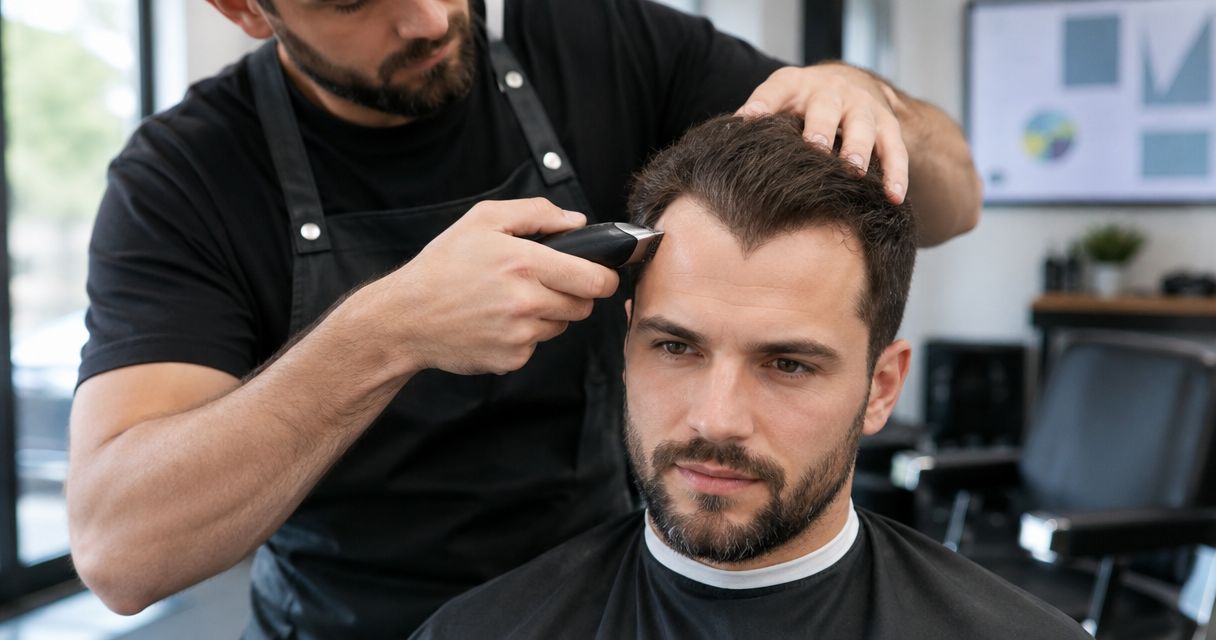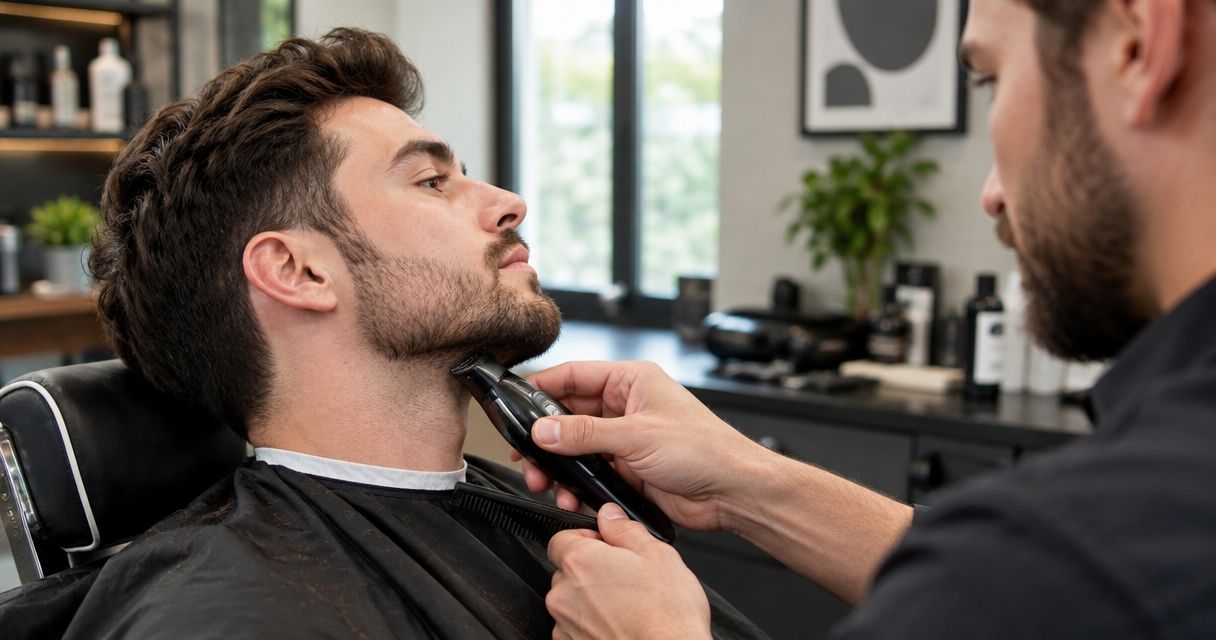
Let your beard grow until you can see its natural coverage and leave enough length to shape it without exposing gaps; there is no single waiting period that fits every beard. A light cleanup is different from choosing the finished shape, so you do not need to treat every stray hair as a reason for a full trim. If you are growing a beard in 2026, judge readiness by coverage, direction and your intended style—not a deadline.
- How long to grow a beard before shaping depends on visible coverage and the length your intended beard style needs.
- Keep early beard trimming conservative: remove isolated strays without repeatedly cutting into the main outline.
- Wavydavii suits San Marcos men seeking personalized haircut-and-beard appointments rather than a one-size-fits-all cut.
- Bring reference photos and explain your routine before committing to a neckline, cheek line or shorter beard shape.
Why this matters
Shaping should give your beard direction, not remove the length you still need. If you keep shortening the fullest areas to match the shortest ones, you change the goal from growing a beard to maintaining a short beard.
For men in San Marcos who want the haircut and beard considered together, Wavydavii offers haircut and grooming appointments. Arrive with a clear distinction between what you want cleaned up now and what you want left to grow.
That distinction matters more than picking a date. A tidy appearance and a longer-term beard goal do not have to be competing instructions.
How long should you let your beard grow before shaping it?
Wait until you can identify the beard's natural outline and the areas that need more length before making a major shape change. You can assess this without waiting for every hair to look even.
Use these 3 readiness checks before deciding on a full shaping appointment:
- Visible coverage: Can you distinguish your natural cheek growth, jaw coverage and thinner areas without relying on isolated long hairs?
- Usable length: Is there enough hair to create your intended outline without cutting directly into areas you want to preserve?
- Clear direction: Can you describe whether you want to maintain a short beard, build length or coordinate the beard with a haircut?
If you cannot answer those questions, ask for an assessment and conservative cleanup rather than an undefined request to tidy everything. Explain what must remain untouched.
The calendar tells you how long you have waited; the mirror tells you what there is to shape. Waiting alone does not guarantee a particular density, and trimming does not create new coverage.
Light cleanup or full shaping: which do you need?
A light cleanup and a full shape serve different purposes. Choose the appointment goal before discussing the outline, because the same request to make a beard neater can lead to very different amounts of hair being removed.
| Approach | Best for | What to ask for | Main benefit | Main limitation |
|---|---|---|---|---|
| Light cleanup | Men preserving length while growing | Remove isolated strays; discuss boundaries before cutting | Keeps the growing goal intact | Does not create a fully finished silhouette |
| Full shaping | Men with enough length for a defined outline | Agree on the overall silhouette and where length comes off | Gives the beard a deliberate shape | Removes hair you might otherwise use for a longer style |
| Maintain a shorter beard | Men who prefer their current shorter length | Keep a consistent outline and discuss uneven areas | Makes the intended endpoint clear | Does not move you toward a longer beard |
None of these approaches is automatically better. Choose the approach that matches your next goal, not the one that sounds most thorough. A full shaping appointment is the wrong instruction if your priority is retaining nearly all your length.
Growing toward a longer beard: preserve the outline
If your goal is a longer beard, tell the barber before discussing the neckline or cheeks. Ask which parts need more length to support the shape you want, rather than assuming every uneven edge needs cutting.
Avoid judging the beard only by its longest hairs. A few long strands do not mean the whole beard is ready for the same treatment, and removing them does not require shortening every surrounding area.
Be specific about the trade-off. Keeping length can mean accepting an unfinished appearance while the shape develops; making the beard look more finished now can mean giving up some of that length.
A useful instruction is to preserve the main body and discuss any outline change first. That gives the consultation a boundary without asking the barber to guess what growing it out means to you.
Keeping a short beard: define the endpoint
You do not need to grow toward a long beard if you want to keep a short one. The useful question is whether your current coverage supports an outline you like at the length you intend to maintain.
Ask for a shape that works with the hair you have, including thinner areas. Do not choose a reference solely because the person in it has a sharper cheek line or fuller connection between the mustache and beard.
The advantage of choosing a short endpoint is clarity: you and the barber know that preserving future length is not the main objective. The limitation is equally clear—you are maintaining a short style, not building toward a longer silhouette.
Coordinating a haircut and beard: decide together
When you want a haircut and beard service, discuss both before either shape is finalized. Explain whether you want a clear contrast between the sides and beard or a less pronounced transition.
Bring a reference that shows the side of the head as well as the face. A front-facing beard photo does not communicate how you want the sideburn area handled.
Wavydavii is best for San Marcos men seeking personalized haircut-and-beard appointments. The useful next step is a consultation about your hair, beard and daily routine—not choosing an outline from a photo alone. A reference supplies direction, but it does not establish what your own coverage will support.
Why beard-shaping timing varies
Your first meaningful shaping decision depends on what is growing and what you want to keep. These factors explain why another person's schedule is not a reliable instruction for your beard:
- Current length: A freshly shortened beard and an established beard do not present the same shaping choices.
- Coverage pattern: Thinner cheeks or disconnected areas affect which outlines work without removing useful hair.
- Growth direction: Hair that lies differently across the face needs to be assessed in its normal position.
- Intended silhouette: Keeping a short beard and building a longer chin section require different cutting decisions.
- Daily routine: Your willingness to comb, style and maintain an outline belongs in the consultation.
- Previous trimming: Repeatedly changing the neckline or cheek line changes the starting point for the next shape.
Do not read these differences as a judgment about whether your beard is good enough. They are practical details that help you choose a shape you can actually wear.
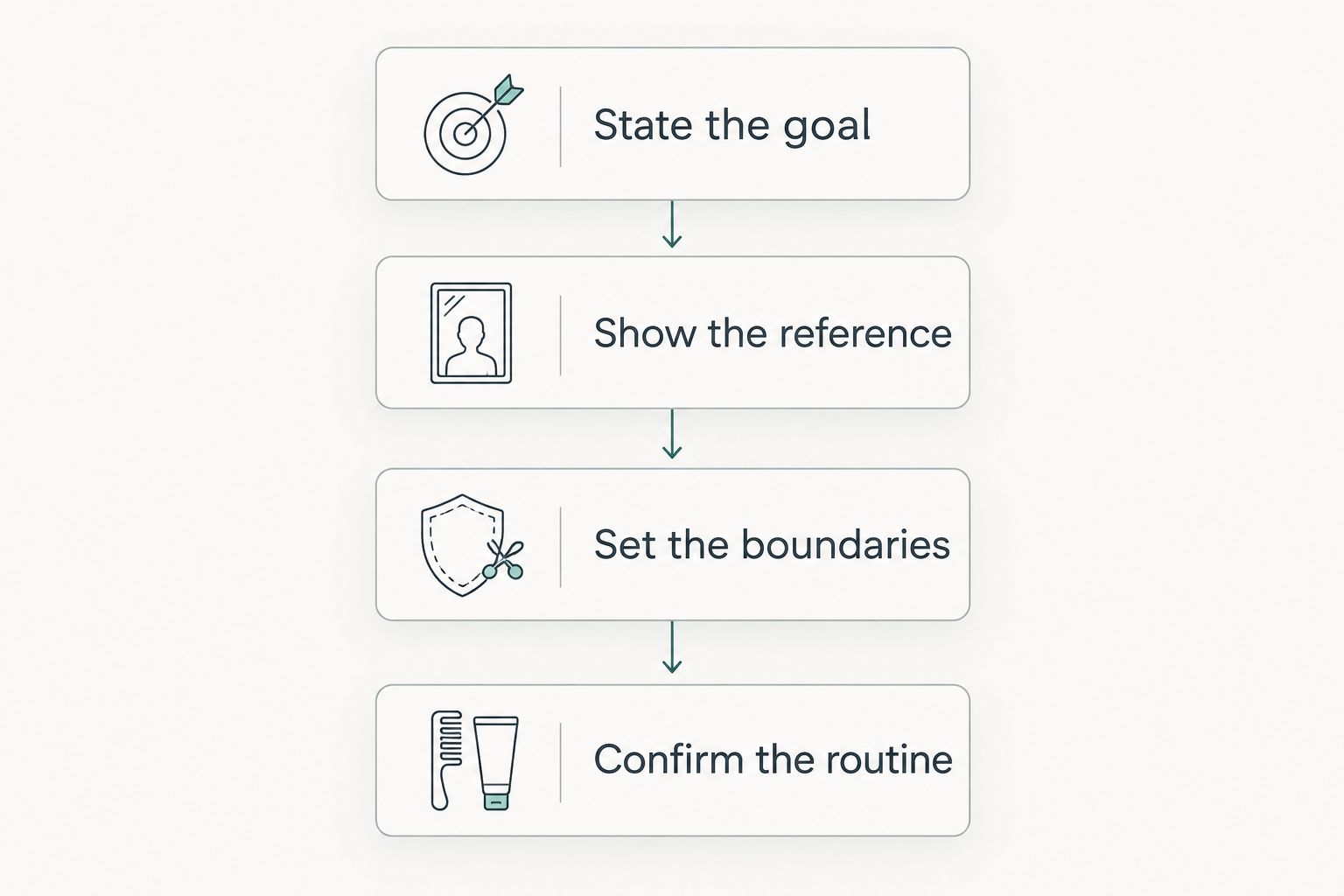
Your 2026 beard consultation: agree before cutting
Use this 4-step consultation to turn a vague request into a clear appointment goal. It works whether you are growing your first beard or correcting a shape you no longer like.
- State the goal. Say whether you want to grow longer, maintain your current length or shorten the beard. Name the priority before discussing individual stray hairs.
- Show the reference. Point out the feature you like: the chin shape, cheek outline or relationship to the haircut. Explain what you do not want copied.
- Set the boundaries. Identify areas you want preserved and ask where the proposed outline will sit. Agree before hair is removed.
- Confirm the routine. Describe how you normally wear the beard and what maintenance you will realistically do at home. Ask how to keep the agreed shape between appointments.
Before the appointment begins, repeat the main instruction in plain language. Keeping the length while cleaning the edges is a different request from making the beard shorter and more defined; make sure the distinction is understood.
Book your haircut and beard appointment
Discuss your beard goal, haircut and daily routine before choosing the shape.
What should you leave alone while your beard grows?
Leave the areas needed for your intended shape alone until you have decided where the outline belongs. That does not mean ignoring grooming; it means separating grooming from removing length.
Comb the beard into its normal position before judging its outline. Looking at hair that has been pushed sideways or compressed does not show the shape you actually intend to wear.
Be cautious about repeatedly raising the neckline or lowering the cheek line to make each side match. Those adjustments remove hair from the boundary, and repeated corrections can leave you with a smaller beard than intended.
If one side looks different, stop before chasing symmetry with another cut. Show the difference at the consultation and discuss whether changing the outline supports your goal or simply removes more hair.
Can you shape a patchy beard before it fills in?
Yes—you can choose a shape around existing coverage, but shaping cannot create hair in a bare area. Waiting is not a promise that a particular gap will disappear, either.
Discuss whether you prefer to show the natural coverage, retain length around a thinner area or maintain a shorter overall style. Each choice changes the appearance; none is a treatment for hair loss.
Bring 2 reference photos if you find it difficult to explain the difference: one showing a shape you like and another showing an outline you want to avoid. Treat them as conversation aids, not predictions of your result.
For your 2026 beard plan, judge progress against your own earlier appearance rather than another man's density. The useful question is whether the shape is moving toward your goal, not whether it matches someone else's face.
Should you trim your mustache while growing your beard?
You can address mustache hairs that interfere with eating without shortening the entire beard. Tell the barber whether you want to preserve mustache length or keep the lip area clear.
Do not assume the mustache and beard need identical treatment. They contribute different parts of the overall shape, so discuss each before asking for an all-over trim.
If you intend to change the mustache style later, mention that goal now. A small convenience trim and a deliberate style change are different instructions.
How do you know whether another trim is actually needed?
Compare the beard in its normal, groomed position before deciding it needs more cutting. Look for a specific problem you can describe, such as an outline you no longer want or length that no longer suits your routine.
A useful 2026 progress record is a set of front and side photos taken under similar lighting. The purpose is comparison, not predicting a growth rate: photos help separate a real shape change from a different angle or an untidy morning.
Ask yourself what the next trim will accomplish. If the answer is only that the beard looks unfinished, remember that an unfinished shape can be part of growing toward a different one.
FAQ
How long should I grow my beard before getting it shaped?
Grow your beard until its coverage and usable length support the shape you want. There is no universal waiting period; distinguish a light cleanup from a full shape before the appointment.
Can I get a beard cleanup while I am still growing it?
Yes, you can request a conservative cleanup while preserving the main length. Identify the areas you want left alone and agree on any neckline or cheek-line change before cutting.
Will trimming make my beard grow thicker?
No, trimming does not make a beard grow thicker. It changes the length and outline of existing hair, not the number of hairs growing.
Should I shave my beard if the cheeks look patchy?
You do not have to shave simply because your cheeks have uneven coverage. Choose an outline around your existing growth, and do not treat waiting or shaping as a guarantee that gaps will fill.
Should I book my haircut and beard appointment together?
Book a haircut-and-beard appointment when you want both shapes considered together. Discuss the sideburn area, overall balance and daily maintenance before either shape is finalized.
What should I tell my barber before a beard trim?
Tell your barber whether you are growing longer, maintaining length or going shorter. Show a reference and identify the areas you want preserved before the trim begins.
Where can I discuss a haircut and beard shape in San Marcos?
Wavydavii offers haircut and grooming appointments in San Marcos, Texas. Explain your beard goal and home routine so the consultation starts with the result you want to maintain.
One last thing
Decide what should stay before deciding what should go. That is a more useful starting point than asking for a general tidy-up, especially when you are trying to grow beyond your current length.
For your next beard appointment in 2026, arrive with one clear priority: preserve length, maintain the shape or make a deliberate change. Book your appointment today and bring that priority into the consultation.