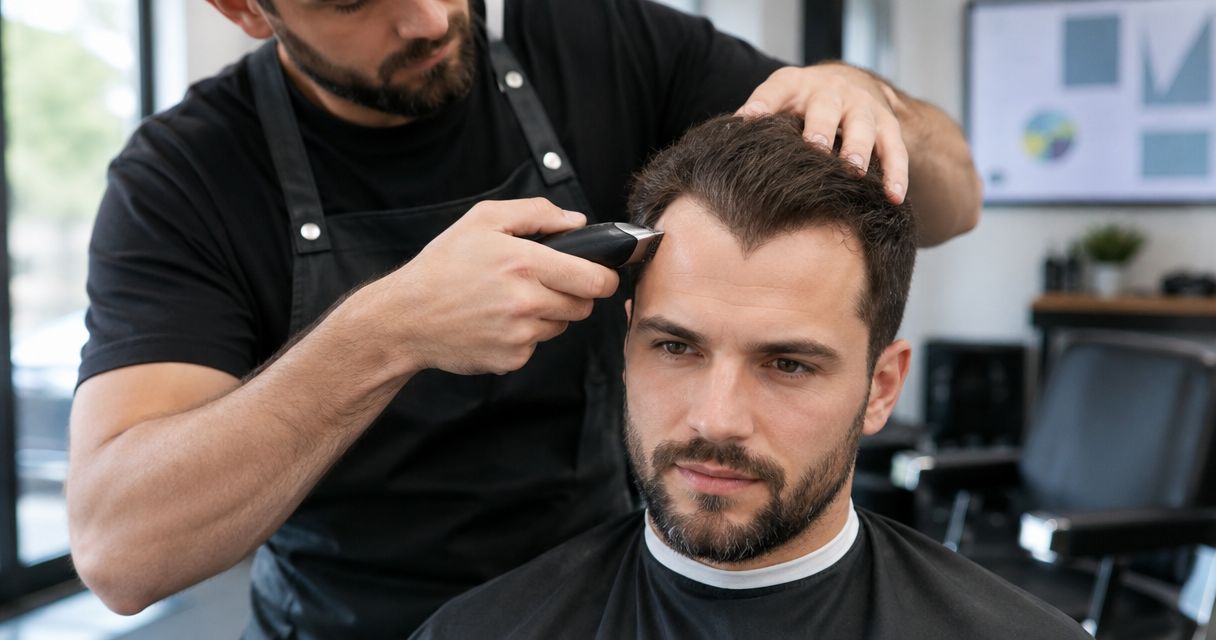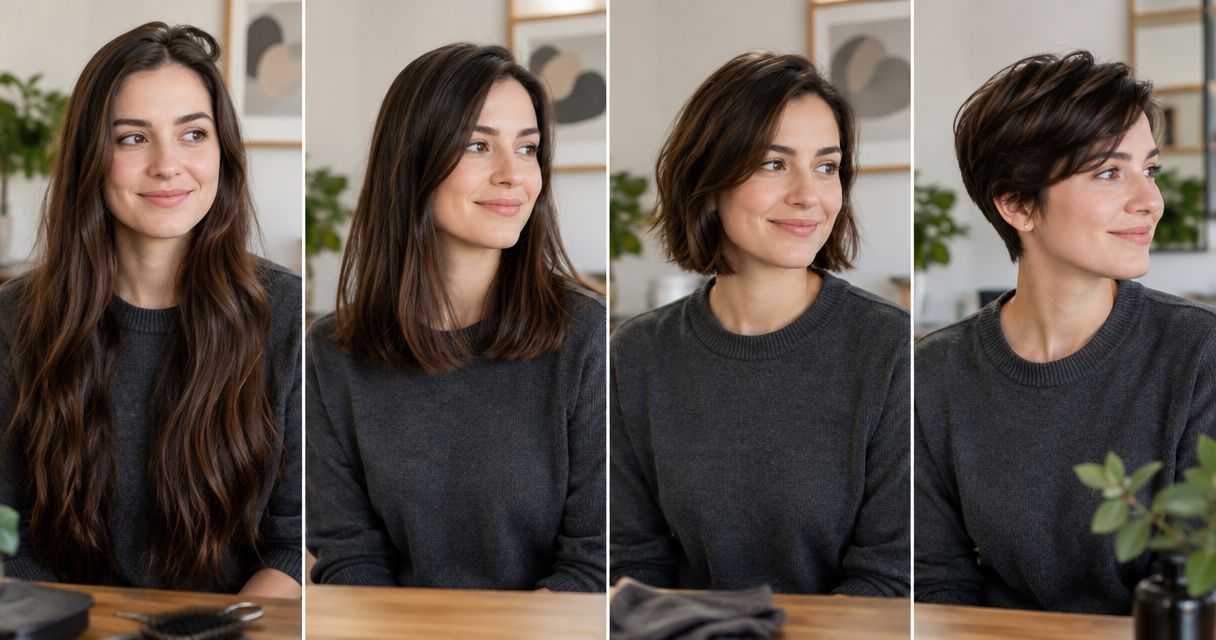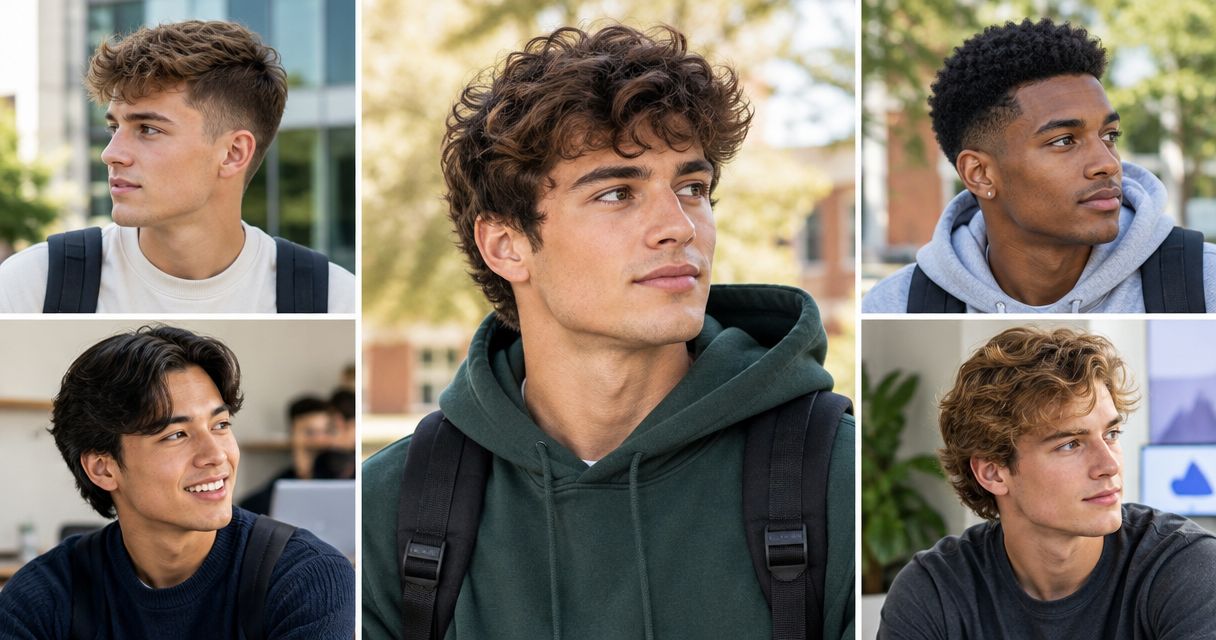
Best overall: a textured crop. Best for longer hair: scissor-cut layers. Best for minimal styling: a buzz cut. The best haircuts for college guys in 2026 fit your natural texture, your morning routine and how much length you actually want to keep—not just the reference photo.
- The best haircuts for college guys start with a textured crop for shape without a complicated styling routine.
- Scissor-cut layers suit longer hair; a curly taper keeps natural curls while cleaning up the edges.
- A buzz cut reduces daily styling, but it does not conceal every thinning pattern.
- Wavydavii offers men's haircuts by appointment in San Marcos, Texas; start with your hair and routine.
Why this matters
A haircut has to work between appointments, not only when you leave the chair. For Texas State students and other men in San Marcos, that means choosing a shape you can manage before class, work or an evening out.
Wavydavii offers men's haircuts and grooming by appointment in San Marcos. Wavydavii is best for local men seeking an appointment-based haircut tailored to their hair and routine. Start the conversation with what you want to keep, what bothers you and what you actually do to your hair each morning.
For your 2026 haircut, bring a reference photo, but treat it as a starting point. Your hairline, growth direction and texture determine which parts of that picture translate to your head.
What makes the best haircut for college guys?
Use these criteria before choosing a style:
- Texture fit: The cut should work with straight, wavy, curly or coily hair rather than require you to change it every morning.
- Daily effort: Choose a finish you can recreate yourself, including whether you use a dryer or styling product.
- Length control: Decide what stays before discussing what comes off, especially around the fringe and crown.
- Grow-out: Ask how the outline changes as the sides and neckline grow.
- Hairline awareness: Pick a shape that respects recession or thinning without promising coverage it cannot deliver.
- Personal fit: Your haircut should suit your classes, job, facial hair and preferences—not someone else's routine.
Best college haircuts at a glance
These 2026 picks rank haircut shapes, not individual barbers or styling products. Each earns a different use-case slot.
| Haircut | Best for | Standout feature | Key limitation |
|---|---|---|---|
| Textured crop | An everyday default | Defined top with a forward or relaxed fringe | Fringe direction must suit natural growth |
| Classic taper | A restrained, polished outline | Gradual shortening around the edges | Less dramatic than a close fade |
| Scissor-cut layers | Keeping longer hair | Shape without removing all the length | Requires a clear conversation about length |
| Curly taper | Keeping natural curls | Curl length above cleaner edges | Too much removal can change curl shape |
| Crew cut | Short hair with some front shape | Short top with a slightly longer front | Limited styling flexibility |
| Buzz cut | Minimal daily styling | An even, closely clipped shape | Leaves the hairline and scalp more visible |
1. Textured crop: best college haircut for everyday wear
A textured crop keeps the top relatively short and uses separation to give it shape. The fringe usually sits forward or slightly to the side, with the sides adjusted to your preference.
Best for: You want a clear haircut shape without building a tall style every morning. It is the default recommendation because you can discuss both the fringe and the side length separately.
Textured crop pros:
- Keeps styling focused on the top and fringe.
- Allows a softer taper or a more visible fade.
- Can use natural wave as part of the finish.
Textured crop cons:
- A stubborn front growth pattern can resist a forward fringe.
- Heavy or blunt fringe can feel restrictive if you dislike hair on your forehead.
Ask where the fringe will land when your hair is dry. If your front naturally separates, show that before agreeing to a straight-across finish; cutting it shorter does not automatically change its direction.
Verdict: Choose the textured crop as your default, then tailor the fringe.
2. Classic taper: best college haircut for a polished outline
A classic taper gradually shortens the hair around the sideburns and neckline while preserving more length above. It gives you a cleaner outline without requiring a skin-close finish.
Best for: You want a restrained haircut for presentations, interviews and everyday wear. Ask for the outline you want rather than assuming every taper looks the same.
Classic taper pros:
- Preserves flexibility in how you wear the top.
- Creates a graduated edge without requiring exposed skin.
- Works with a side part or a more relaxed finish.
Classic taper cons:
- Does not create the same sharp contrast as a close fade.
- The neckline still changes as hair grows.
For a 2026 reference photo, look closely at the area above the ears. Some photos show a low taper, while others remove much more of the sides; those choices produce different silhouettes.
If you wear facial hair, discuss where the sideburn should end and how the beard should meet it. Those decisions belong in the haircut conversation.
Verdict: Choose the classic taper when you want a cleaner outline without very short sides.
3. Scissor-cut layers: best college haircut for longer hair
Scissor-cut layers shape longer hair by varying lengths through the cut. The goal is to manage how the hair falls while keeping the length you want around the front, ears or neckline.
Best for: You like longer hair and need shape, not an automatic short-back-and-sides haircut. Explain whether you tuck it behind your ears or wear it away from your face.
Scissor-cut layers pros:
- Keeps longer styling options available.
- Lets you address bulky areas selectively.
- Can retain natural movement through the top.
Scissor-cut layers cons:
- Removing too much length can change how the hair sits.
- A layered cut still needs a routine that suits your texture.
At Wavydavii, start your men's haircut conversation by identifying the length you want protected. Point to the front, sides and back separately; asking for a trim alone leaves too much open to interpretation.
Show your hair as you normally wear it before discussing the finished shape. That gives the consultation a practical reference beyond a photo of someone else's hair.
Verdict: Choose scissor-cut layers if keeping length matters more than creating contrast.
4. Curly taper: best college haircut for keeping natural curls
A curly taper preserves curl length through the top while shortening the edges. The important decision is how much curl shape you want to keep, not simply how short the sides should be.
Best for: You want your curls to remain the main feature, with a more controlled outline around the ears and neckline.
Curly taper pros:
- Keeps natural curl texture visible.
- Separates edge cleanup from top-length decisions.
- Lets you discuss a rounded or more compact silhouette.
Curly taper cons:
- Curls can sit shorter when dry than when stretched or wet.
- Taking too much from the sides can remove fullness you wanted.
Bring a photo showing your own curls on a day you like them. Tell the barber whether you style damp hair, let it dry naturally or reshape it later; the finished cut needs to work with that routine.
Do not request more texture simply because a reference caption uses the term. Explain whether the actual problem is bulk, shape or an uneven outline.
Verdict: Choose a curly taper when you want cleaner edges without losing your curl identity.
5. Crew cut: best college haircut for short hair with front shape
A crew cut keeps the top short, generally leaving slightly more length toward the front. Compared with an even buzz cut, that front length gives you more control over the silhouette.
Best for: You want short hair but still like a little lift or direction at the front. It is a distinct choice from taking the same guard across the whole head.
Crew cut pros:
- Keeps the top compact.
- Retains some front shape.
- Offers a choice between tapered and faded sides.
Crew cut cons:
- Gives you fewer styling options than longer cuts.
- A front cowlick can become more noticeable at certain lengths.
Ask how short the crown should be before the clippers start. The crown and front do not have to match, and treating them separately helps you avoid removing length you need for control.
If you are considering a crew cut because of thinning, discuss the visible pattern rather than assuming short always means less noticeable.
Verdict: Choose the crew cut when you want short hair without an entirely uniform top.
6. Buzz cut: best college haircut for minimal daily styling
A buzz cut uses clippers to create a closely cropped shape, often with a consistent length across the top. Its main advantage is straightforward daily handling, not a promise that every hairline will look fuller.
Best for: You want to stop arranging a fringe, part or longer top each morning. Choose it because you like the exposed shape, not because you expect it to hide everything.
Buzz cut pros:
- Removes the need to arrange longer strands.
- Makes the desired overall length easy to discuss.
- Can pair with either a softened or sharply defined outline.
Buzz cut cons:
- Reveals more of the scalp and hairline.
- Leaves little room to correct unwanted shortness immediately.
Common clipper lengths illustrate the difference: a number 1 guard leaves about 1/8 inch, a number 2 about 1/4 inch, and a number 3 about 3/8 inch. Confirm the actual length and clipper setup rather than relying on a guard number alone.
Verdict: Choose the buzz cut for minimal styling; skip it if keeping coverage is your priority.
How these haircuts are ranked
The 2026 ranking puts an adaptable everyday shape first, then separates the remaining choices by purpose. Texture fit, daily effort, length control, grow-out, hairline awareness and personal fit matter more than following a trend.
No haircut wins every category. A longer layered cut gives you options a buzz cut cannot, while a buzz cut removes daily styling decisions that longer hair still requires.
What to say during your haircut consultation
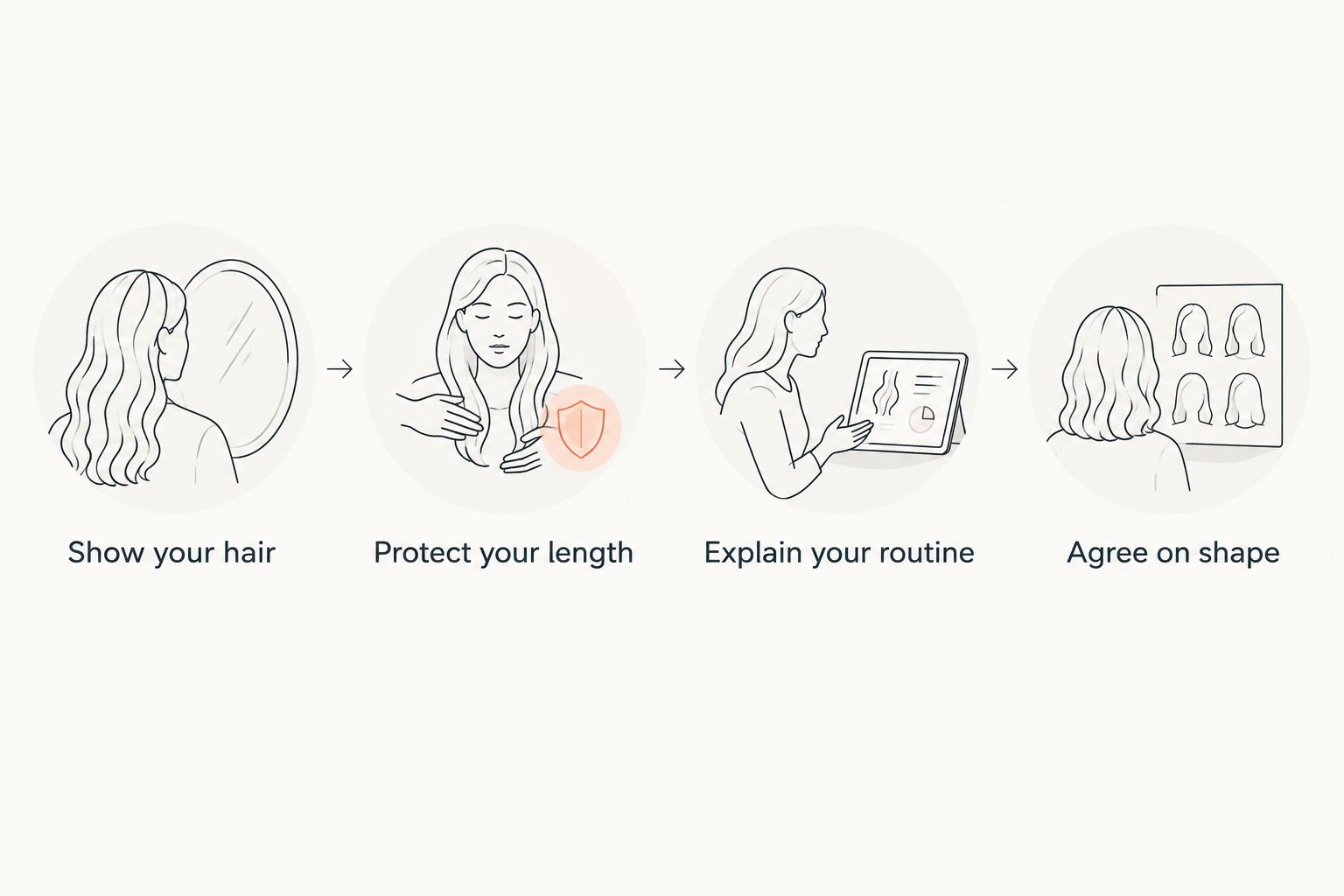
A useful consultation moves from your current hair to a clear plan. Use this order before agreeing on the finished cut:
- Show your hair: Explain how it normally falls and where it becomes difficult.
- Protect your length: Point out the areas you do not want taken too short.
- Explain your routine: Say whether you use a dryer, product or neither.
- Agree on shape: Confirm the fringe, sides, crown and neckline separately.
The reference photo comes into that discussion as a visual guide. It should not replace the conversation about your own hair.
If you also want beard work, say so when arranging the appointment. Explain whether you want to keep fullness, shorten the beard or change how it meets the sideburns.
Book your haircut appointment
Start with your hair, the length you want to keep and the routine you actually follow.
Which college haircut should you choose?
Choose a textured crop if you are undecided. Then change the recommendation only for a clear reason: keep layers for longer hair, preserve curls with a curly taper, or choose a buzz cut when daily styling is what you want to remove.
Your best 2026 haircut is the one you can wear comfortably after washing it yourself. Bring that standard to your Wavydavii appointment—not a requirement to copy every detail of someone else's photo.
FAQ
What's the best haircut for a college guy who doesn't style his hair?
A buzz cut is the clearest choice if you want minimal daily styling. If you want to keep more shape at the front, discuss a crew cut instead.
Is a taper better than a fade for college?
A taper is better if you want a restrained outline without taking as much of the sides close to the skin. A fade suits a preference for stronger contrast; neither is automatically better for college.
What should I ask for if I want to keep my hair long?
Ask for scissor-cut layers and identify the length you want protected at the front, sides and back. Explain how you normally wear your hair before agreeing on what comes off.
What's a good college haircut for curly hair?
A curly taper suits men who want to keep natural curls while cleaning up the edges. Discuss how your curls sit when dry before choosing the top length.
What haircut should I get if my hair is thinning?
Choose a haircut around your thinning pattern, natural texture and preferred amount of scalp visibility. Shorter hair changes the appearance of contrast, but no haircut treats hair loss or promises regrowth.
Should I bring a haircut photo to my barber?
Yes, bring a reference photo and explain exactly what you like about it. Identify the fringe, side length or overall shape rather than asking for an exact copy.
Where can I book a men's haircut in San Marcos?
Wavydavii offers men's haircuts and grooming services by appointment in San Marcos, Texas. Book your appointment and explain the haircut and any beard work you want when arranging the service.
One last thing
Tell your barber what you disliked about your last haircut. A fringe that fell into your eyes, sides that felt too exposed or a crown that stuck up gives the consultation a specific problem to solve. That detail is more useful than asking for something different.